Give every sample round one decision goal
State whether the round is meant to review shape, material direction, logo appearance, packaging, user experience or final approval. Do not treat a partial mock-up as approval of a feature it was not made to show.
Prepare the brand inputs before sampling
Send the controlled logo file, color direction, visible copy, placement priority and packaging expectation with the product brief. Mark any item that is still open so the sample is not judged against an instruction that arrived later.
Review logo and color on the physical reference
Check the correct artwork version, intended presentation and appearance on the proposed surface. Use physical color and material references where exact appearance matters instead of approving from a screen alone.
Consolidate feedback from all stakeholders
Collect marketing, procurement, product and event comments into one response. Resolve conflicts internally, identify the decision owner and distinguish required corrections from optional ideas for a later version.
Review packaging and the recipient experience
Handle the bag with its labels, inserts and proposed protection. If packaging is not included in the current sample, record that limitation and set a separate approval gate rather than assuming it is covered.
Freeze one approved version
Record accepted details, approved differences and remaining open decisions beside the physical sample. Later instructions should reference that version so an old image or sample does not become the production reference by mistake.
Place sample decisions on the launch calendar
Usual sample-making time is 3–6 days after payment, subject to materials, construction and any tooling. The project plan should also allow time for internal review, consolidated feedback, any approved revision, production, transport and destination receiving. The actual schedule is confirmed against the project scope.
Use parent-company evidence only for the proposed route
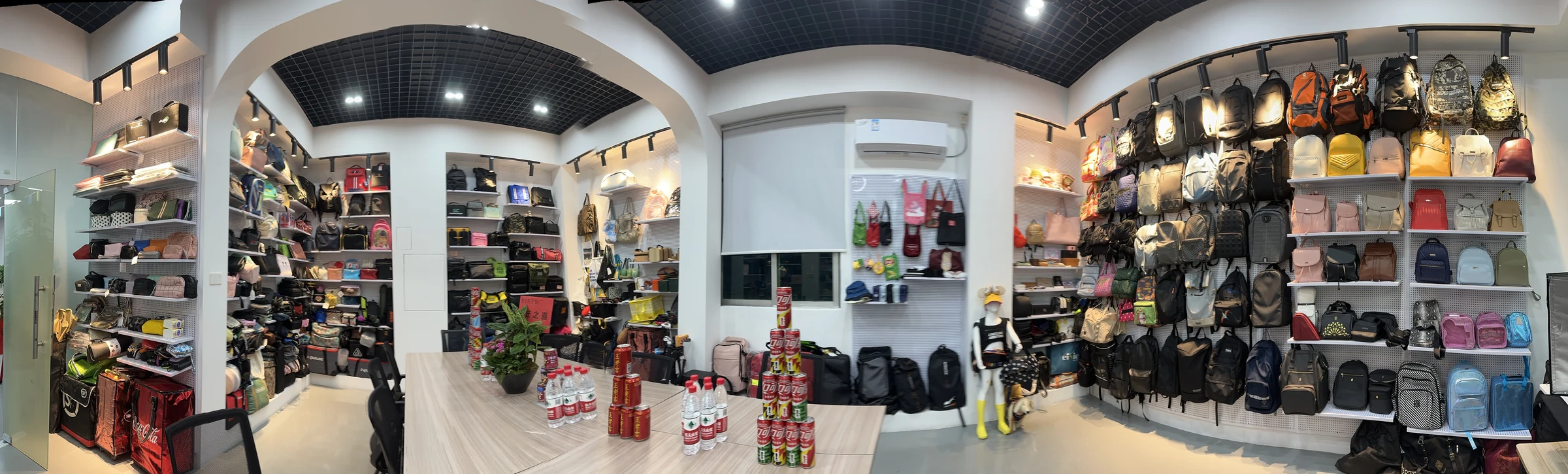
Hongzhao is SmartPro's outdoor and functional bag specialist parent company. Its sample-room and production images are real parent-company evidence, not proof that SmartPro owns the facility or that Hongzhao makes every SmartPro category.
Match the buying brief to the bag category
For Business Backpacks, specify device dimensions, compartments, padding and carrying needs. For Laptop Bags, define the device fit, carrying method and accessory storage before sample review.
For Lunch Bags, state the meal-container dimensions, user routine, cleaning needs, logo, optional name-label direction and packing requirements.
For Tote Bags, confirm fabric weight, handle drop, intended load and artwork area. Use the RFQ-to-shipment procurement guide to keep category, quantity, materials and approvals in one comparable supplier brief.
Planning a multi-category bulk order? Review custom business backpacks with logo for work and resale programs, or custom makeup bags for beauty and private-label product sets. SmartPro coordinates the multi-category project and confirms the appropriate production route after reviewing the product, material, quantity and branding brief.
For outdoor and functional categories such as Cooler Bags and Duffel Bags, review the dedicated Hongzhao route. Hongzhao is SmartPro's outdoor-specialist parent company; its facility evidence applies only when it is the confirmed production route.
| Sample round | Primary decision | Approval record |
|---|---|---|
| Direction | Shape, use case and open product choices | Confirmed brief and open decisions |
| Brand | Artwork, color and physical presentation | Consolidated brand feedback |
| Experience | Contents, handling, labels and packaging | Recipient-use notes |
| Final reference | Accepted details and approved differences | Controlled project version |