Lower-impact direction
Review recycled rPET, organic cotton or non-woven options when the program calls for an environmental material direction.
 Shenzhen Hongzhao
MATERIALS FOR BRANDED BAG PROGRAMS
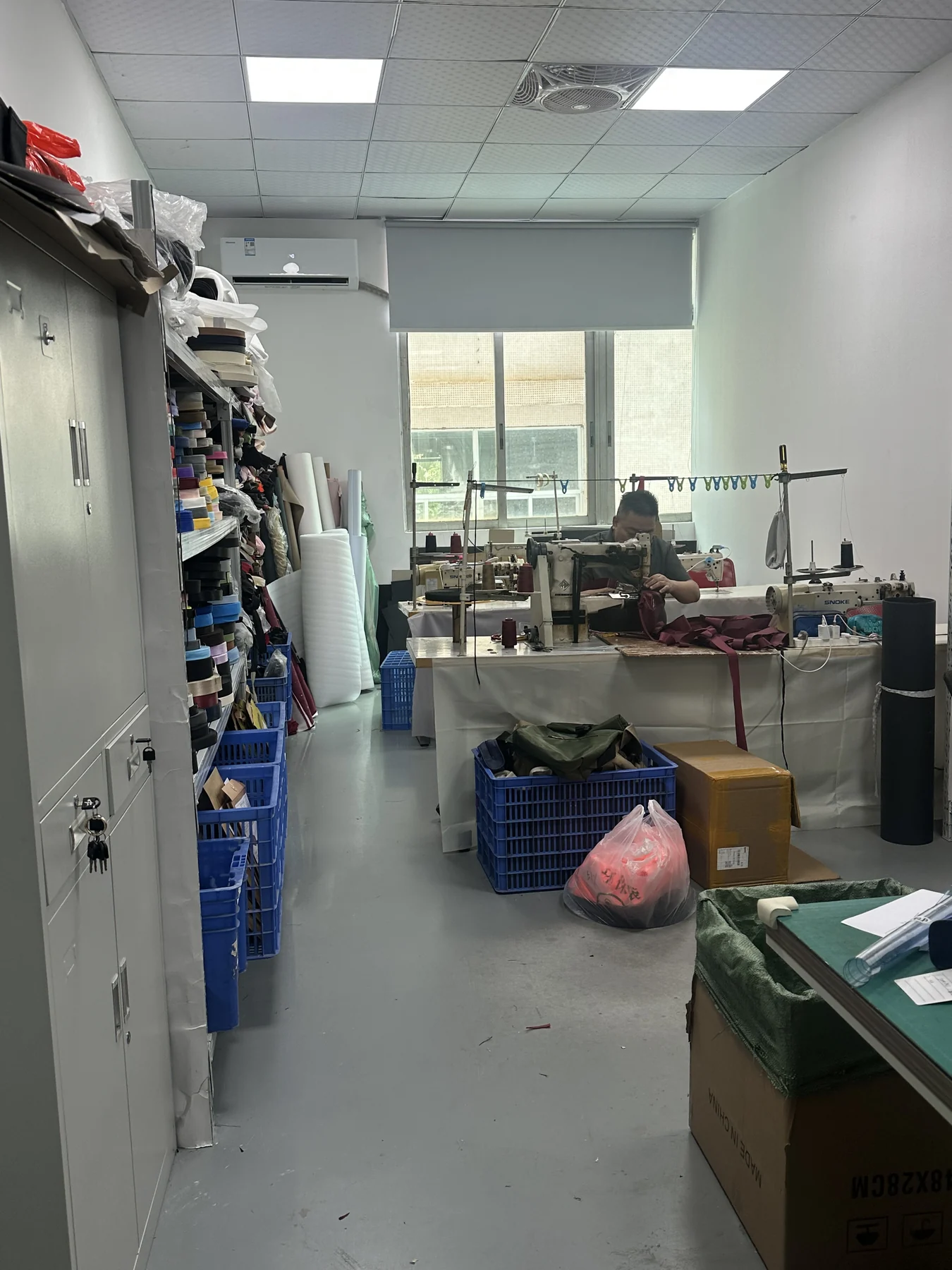
Hongzhao helps B2B buyers review fabric, lining, insulation, components and logo compatibility before sampling, so the proposed material direction remains practical for production.
MATERIAL NEEDS MATRIX
A useful material brief connects campaign use, brand presentation, cleaning, insulation, target cost and production feasibility before a sample is made.
Review recycled rPET, organic cotton or non-woven options when the program calls for an environmental material direction.
Canvas, heavier cotton and selected PU directions can support a more substantial branded presentation.
PEVA, foil and foam combinations are reviewed for cooler and insulated lunch bag programs.
Flat, stable surfaces are matched to screen print, embroidery, heat transfer or woven-label requirements.
MATCH MATERIALS BY USE
We match the material direction to the real sourcing brief rather than presenting one fabric as suitable for every category.
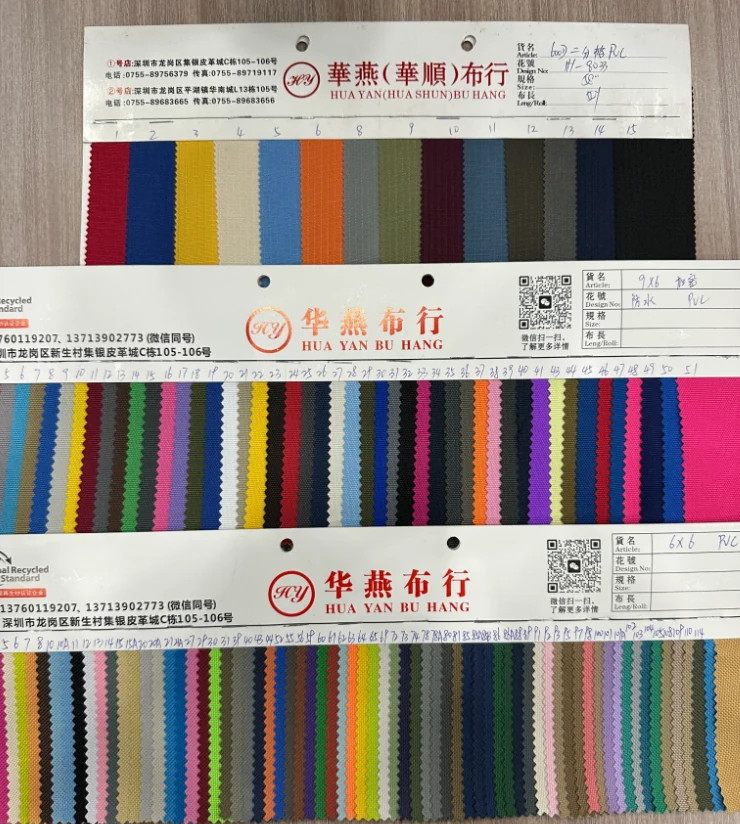
Canvas, cotton, non-woven or polyester directions reviewed for logo coverage, hand feel and campaign quantity.
Coated outer materials plus PEVA, foil and foam directions reviewed for cleaning and insulation structure.
Polyester 210D–600D, nylon or Oxford directions reviewed for structure, compartments and reinforced carrying points.
Polyester, nylon, coated or PU directions reviewed for surface finish, organization and branding space.
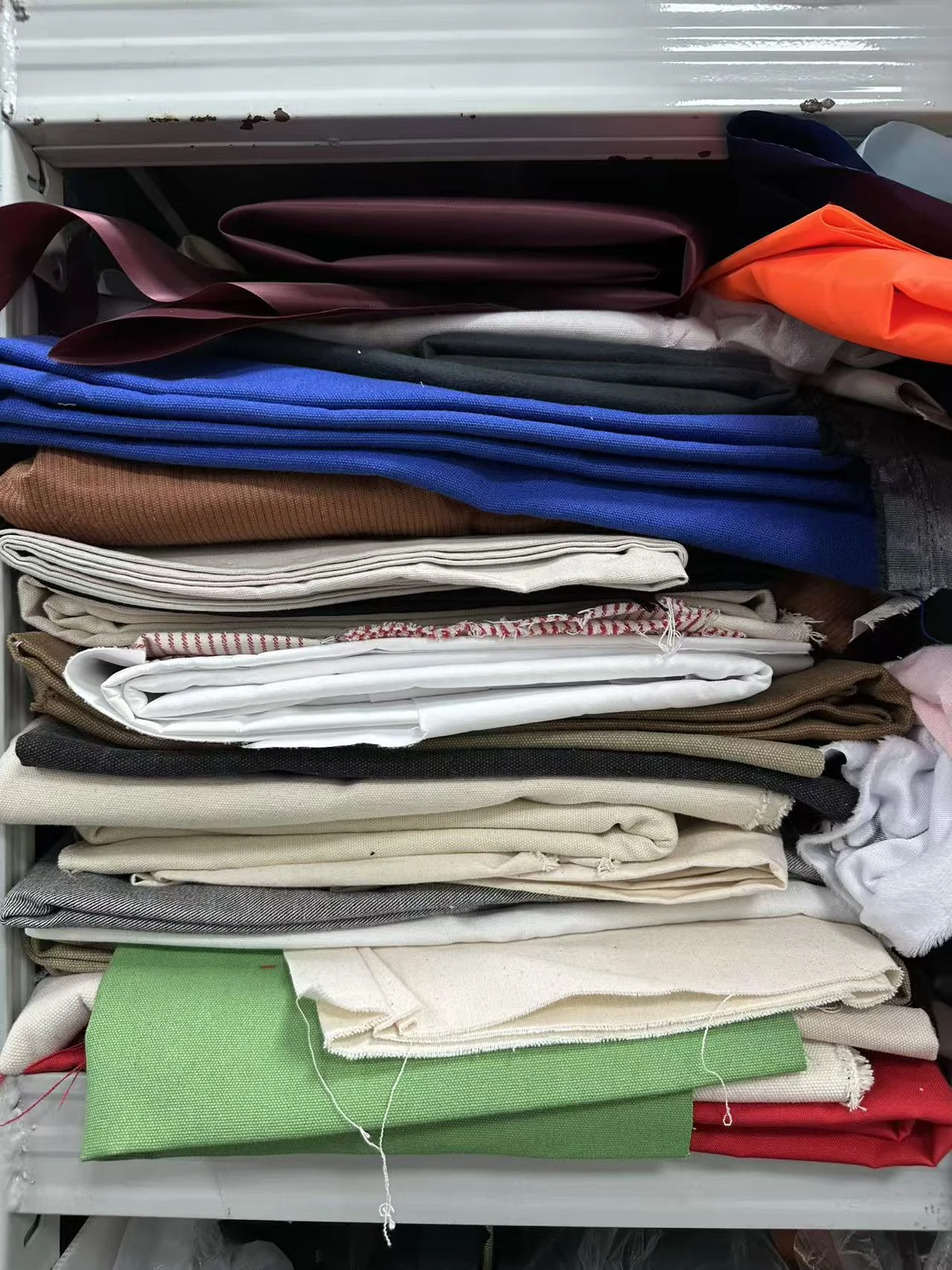
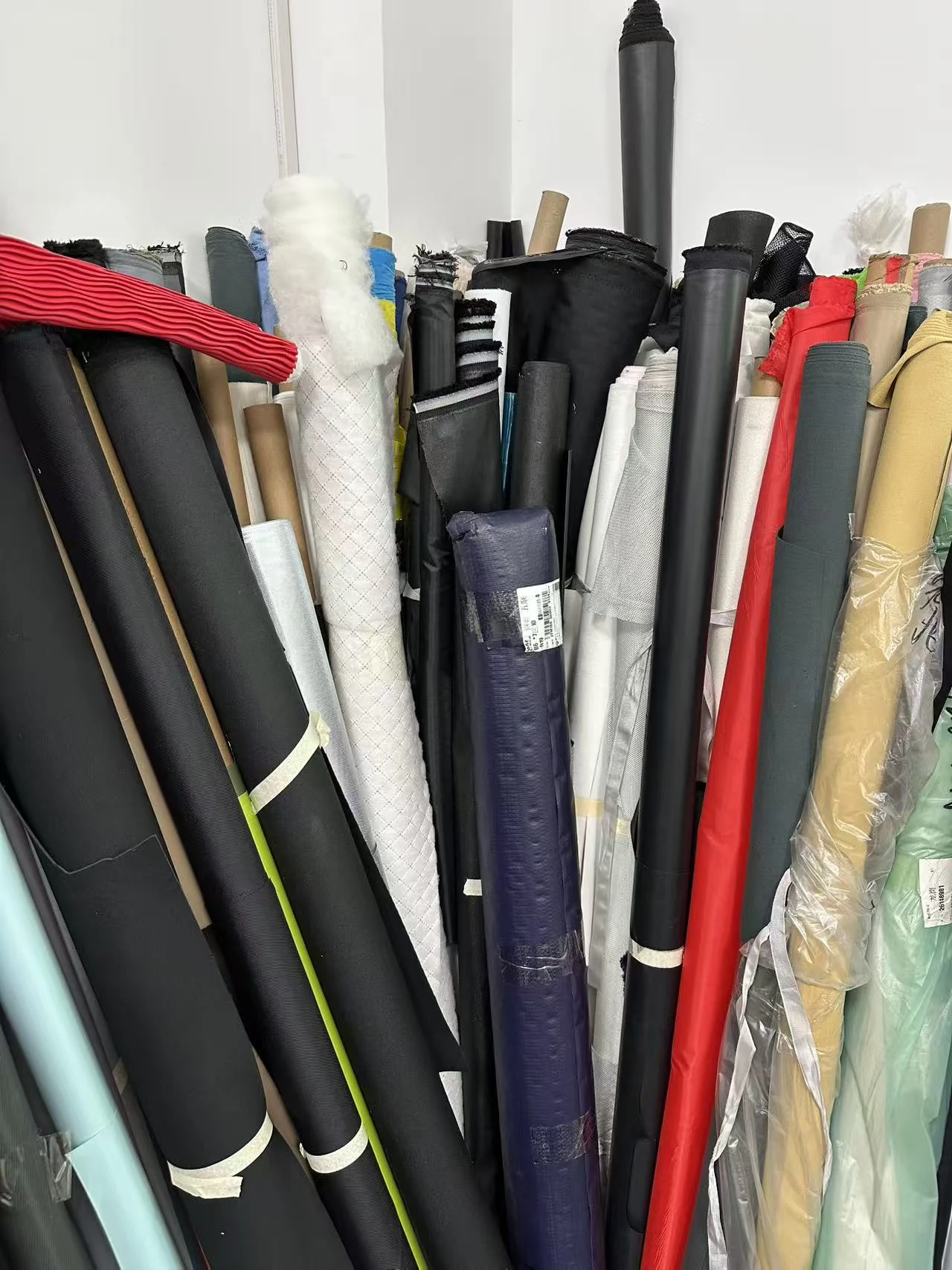
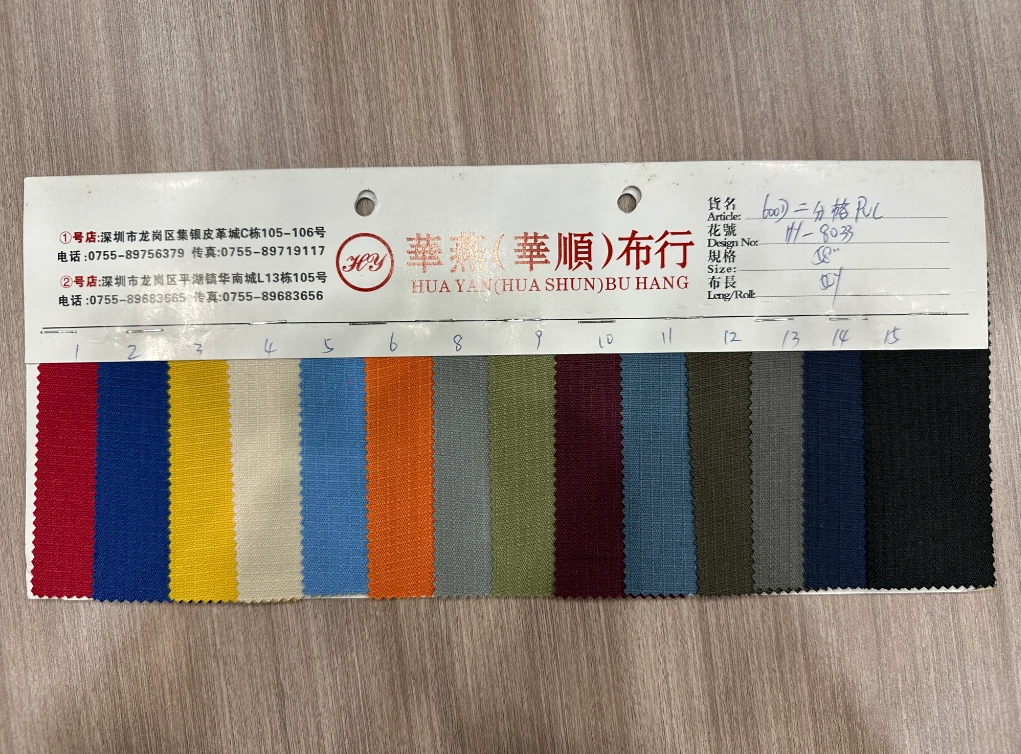
FABRIC OPTIONS
These are practical starting points, not fixed specifications. Final selection depends on the approved design, quantity, color, availability and buyer requirement.
Useful for totes and branded programs that need a natural hand feel and clear print or embroidery areas.
A broad production direction for duffels, business backpacks, lunch bags, toiletry bags and promotional programs.
An environmental material direction that requires availability, color, MOQ and project-specific evidence review.
Options for lighter hand feel, structure or reinforced bag categories, depending on the approved construction.
Reviewed where easier cleaning, surface finish or improved water resistance is part of the brief.
A practical promotional direction for simple constructions, event programs and clear logo application.
COMPONENTS & HARDWARE
Because no verified close-up material or hardware photographs are available, this section uses text and icons rather than fabricated product imagery.
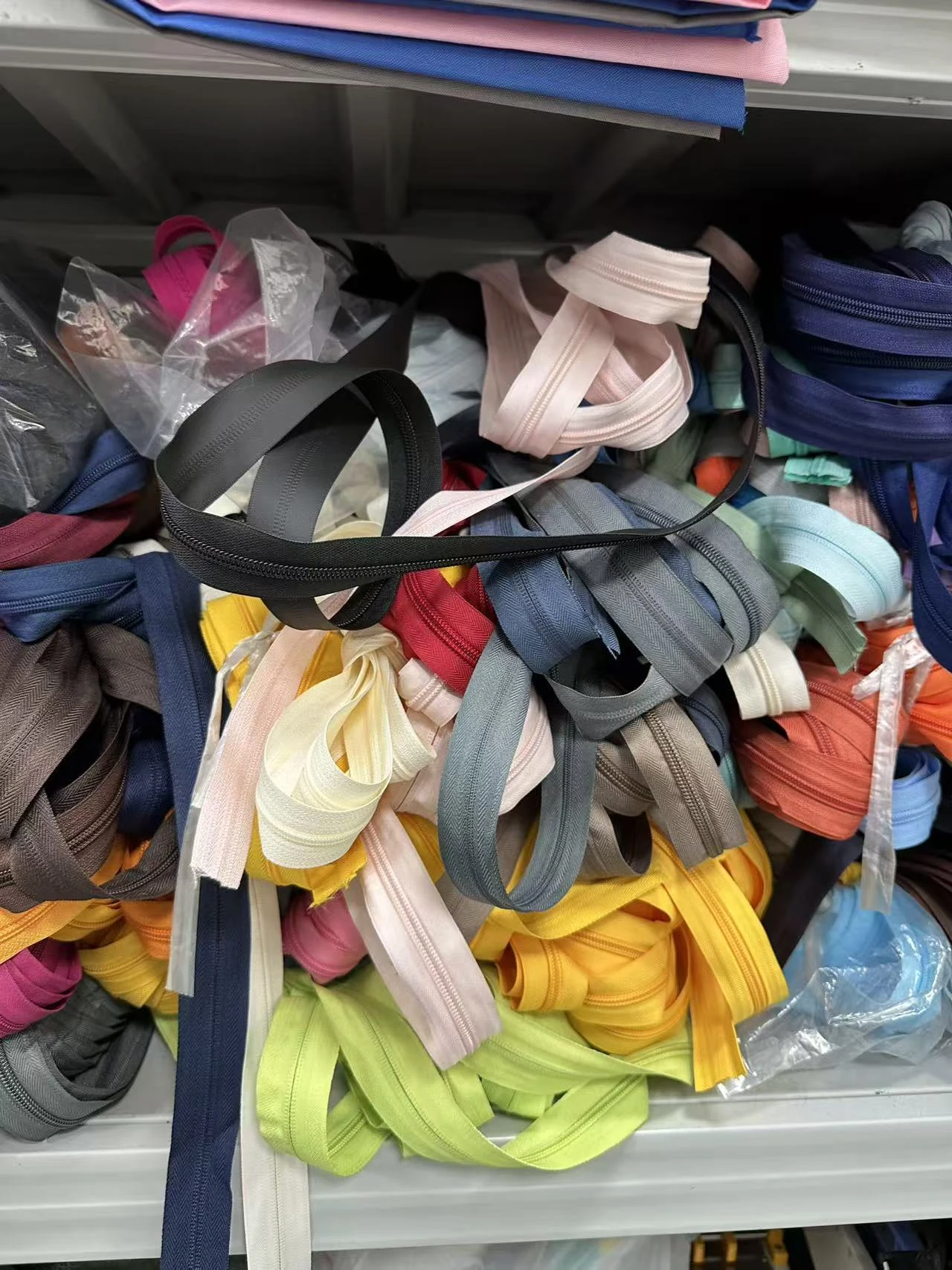
Size, smooth operation, color and puller shape are aligned with fabric thickness and bag use.
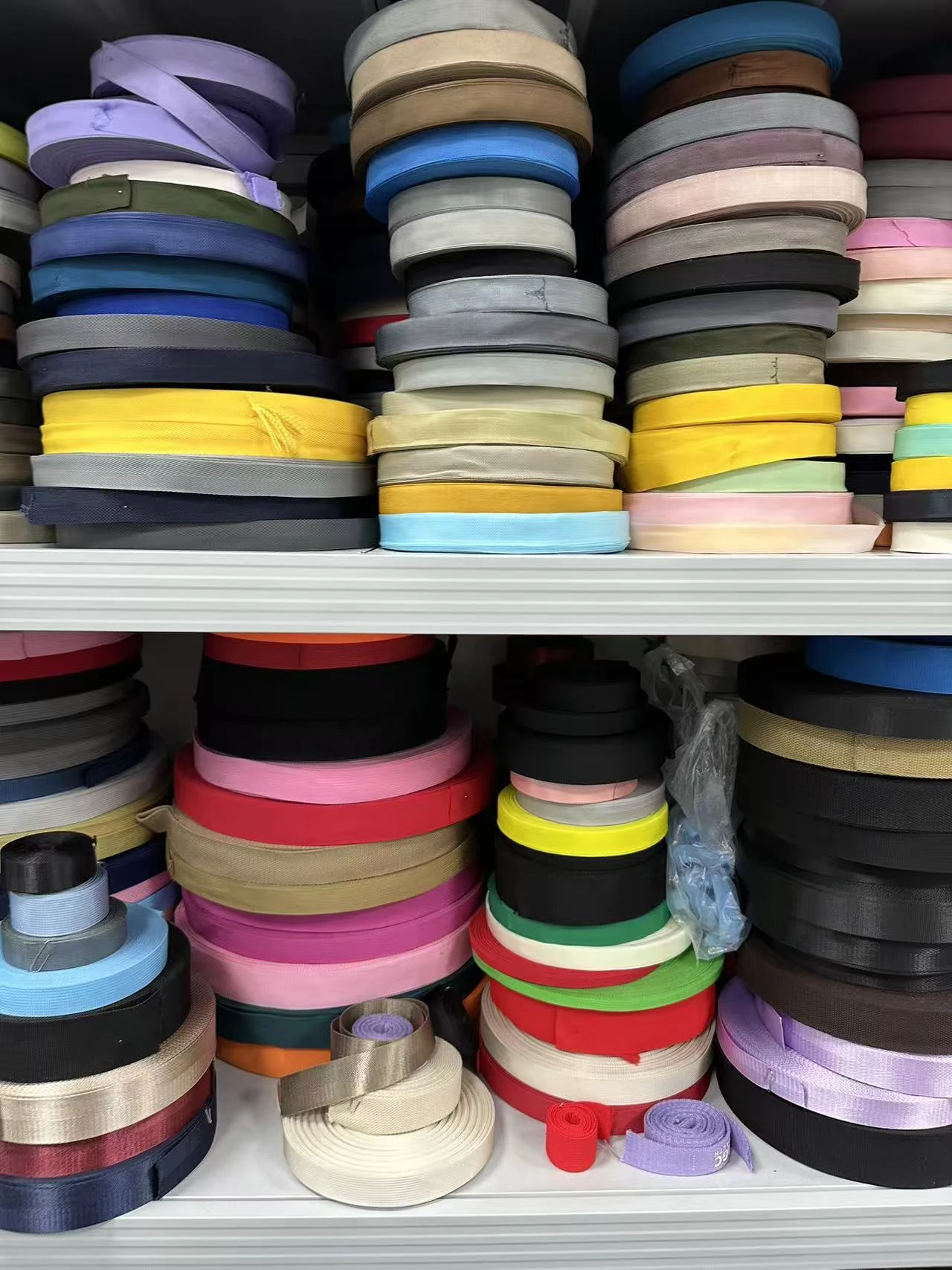
Width, hand feel, color and reinforcement are reviewed for totes, duffels and backpack carrying points.
Lining, PU, PEVA, foil and foam directions are matched to cleaning, structure and insulation requirements.
Screen print, embroidery, heat transfer and woven labels are reviewed against artwork, surface and budget.
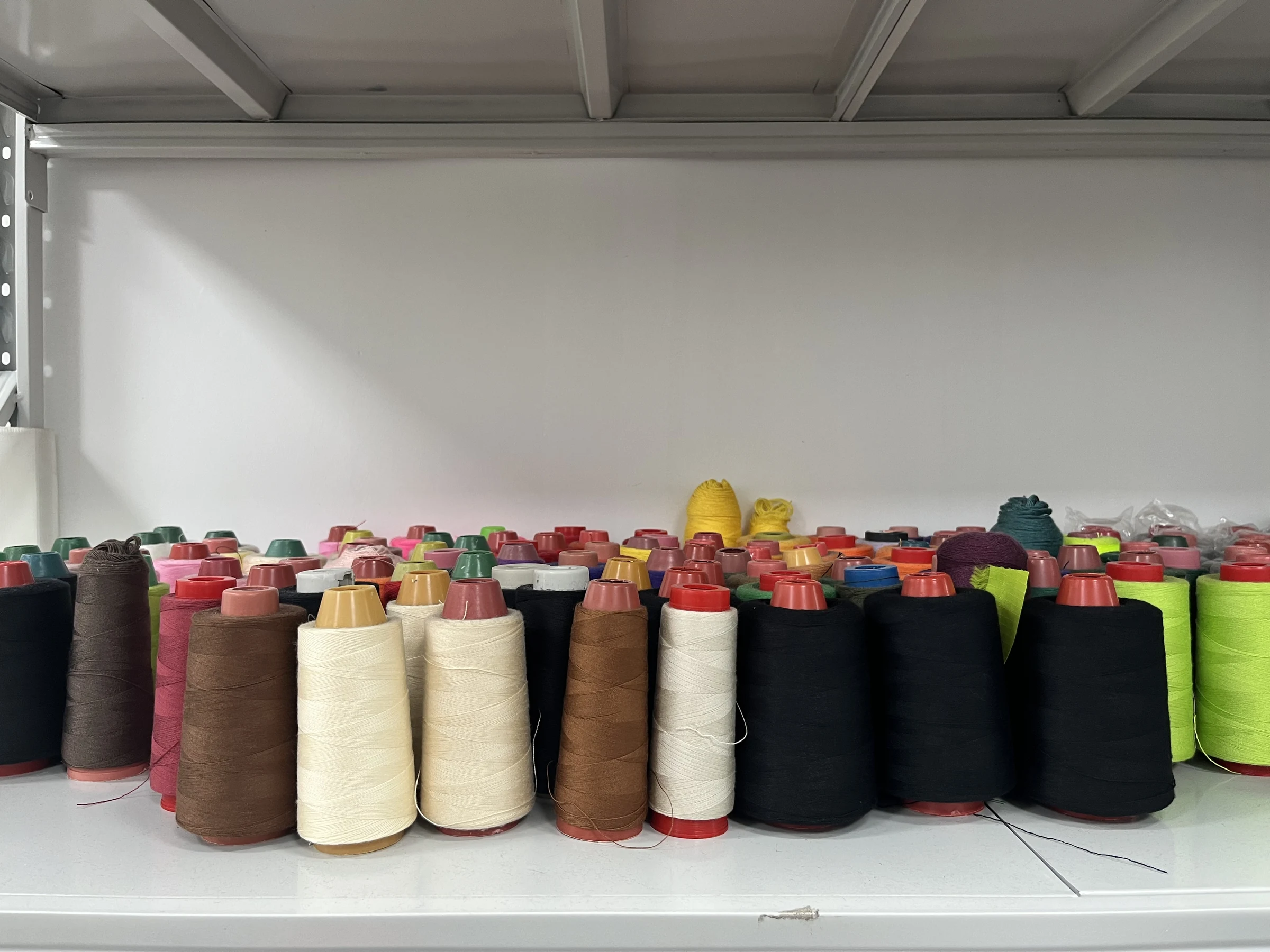
Finish, color matching and load-bearing suitability are reviewed before the approved sample moves to bulk.
Polybags, hangtags, barcodes, carton marks and buyer-requested packing are confirmed before production.
MATERIAL SELECTION WORKFLOW
Early alignment reduces repeated revisions and prevents a visually attractive option from becoming impractical at the required quantity or target cost.
Confirm bag category, campaign use, target market and expected performance.
Review target price direction and estimated order volume.
Compare fabric, lining, insulation, components and logo compatibility.
Use the agreed direction for sample development and review.
Confirm availability, MOQ, production complexity and packing requirements.
SEND YOUR MATERIAL REQUIREMENTS
Send the category, reference, campaign use, quantity, logo requirement and target price direction for a practical material review.