Map the client handoff before comparing partners
Record what the end client has approved, what the agency may decide and what still requires consultation. A project partner should be able to repeat that boundary without changing the brief during quotation or sampling.
Assign ownership for artwork, samples and packaging
Identify the named contact for artwork checks, sample comments, packaging details, order documents and timeline updates. The agency should know who receives each decision and who returns the controlled version.
Check how revisions are recorded
Ask the partner to show how comments are consolidated, how a sample version is identified and how accepted changes reach the next document. The purpose is to prevent an old artwork file or verbal change from becoming the working instruction.
Compare the quotation with the order record
The product reference, quantity breakdown, logo scope, packaging and destination should remain consistent between the quotation and later order documents. Any change should be visible and approved rather than hidden inside a revised total.
Review deadline communication and escalation
A useful project partner reports the next decision, the responsible party and the effect of a late approval. Agree how risks are raised to the agency before they become a promise the agency cannot keep to its client.
Ask for client-ready evidence, not a generic claim
When an end client requests supporting material, the agency needs evidence tied to the proposed product and legal entity. A photo, sample or document should be labelled clearly enough that the agency can explain what it proves and what it does not prove.
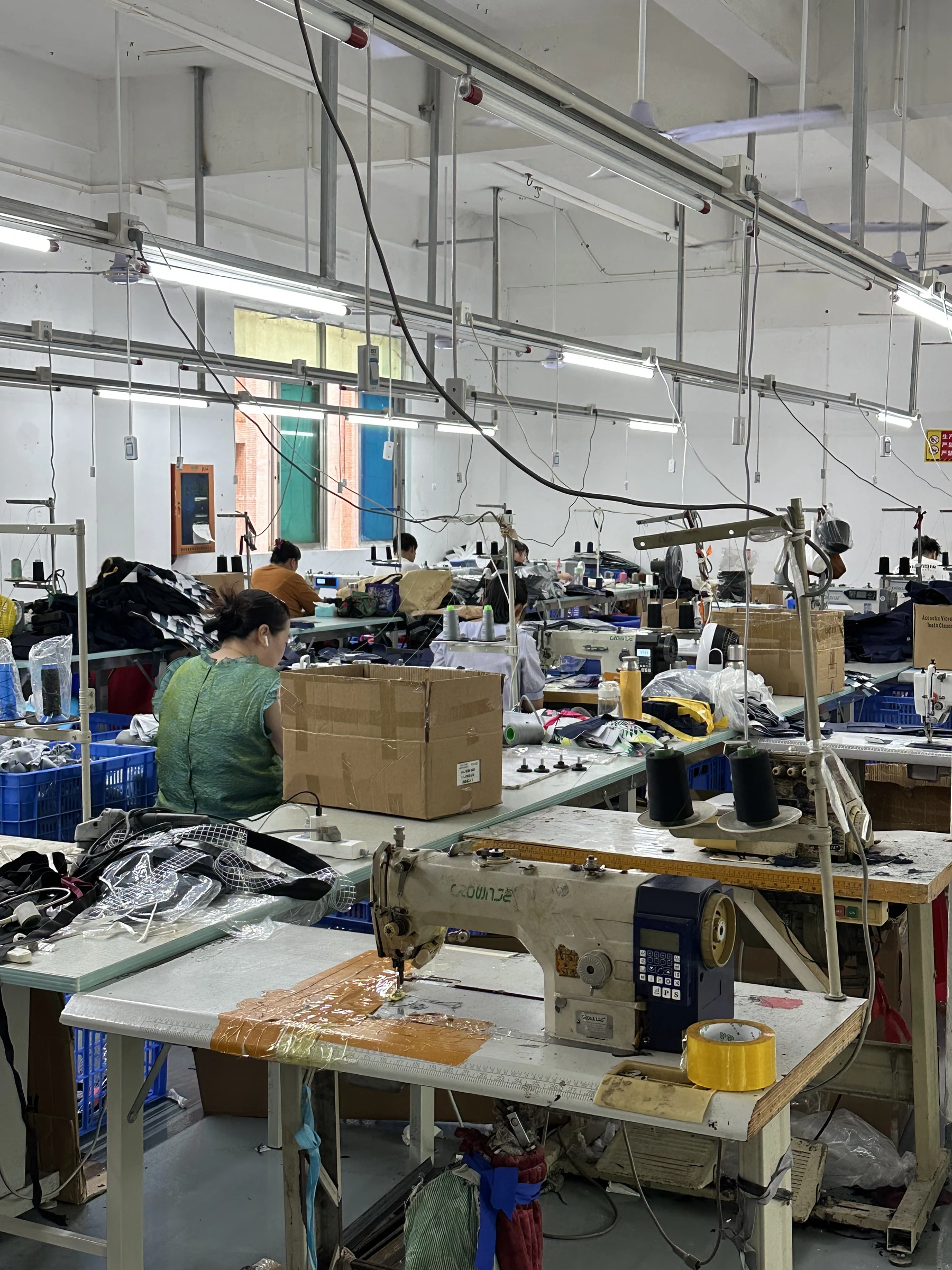
Separate SmartPro project work from Hongzhao production evidence
SmartPro is the multi-category project coordinator on this website. Hongzhao is its outdoor and functional bag specialist parent company. Hongzhao's workshop and documents apply only when that parent-company route is proposed for the order.
Finish with one written responsibility map
Before the agency commits to its client, record who supplies, who coordinates, who manufactures, who approves each version and who communicates a change. This protects the client relationship without turning the article into a factory-audit checklist.
Match the buying brief to the bag category
For Business Backpacks, specify device dimensions, compartments, padding and carrying needs. For Laptop Bags, define the device fit, carrying method and accessory storage before sample review.
For Lunch Bags, state the meal-container dimensions, user routine, cleaning needs, logo, optional name-label direction and packing requirements.
For Tote Bags, confirm fabric weight, handle drop, intended load and artwork area. Use the RFQ-to-shipment procurement guide to keep category, quantity, materials and approvals in one comparable supplier brief.
Planning a multi-category bulk order? Review custom business backpacks with logo for work and resale programs, or custom makeup bags for beauty and private-label product sets. SmartPro coordinates the multi-category project and confirms the appropriate production route after reviewing the product, material, quantity and branding brief.
For outdoor and functional categories such as Cooler Bags and Duffel Bags, review the dedicated Hongzhao route. Hongzhao is SmartPro's outdoor-specialist parent company; its facility evidence applies only when it is the confirmed production route.
| Project checkpoint | Agency asks for | Decision protected |
|---|---|---|
| Brief handoff | One controlled client requirement | What is fixed and what is open? |
| Artwork and sample | Named owner and version record | Which version is approved? |
| Packaging | Presentation and distribution instructions | What will the recipient receive? |
| Timeline | Next milestone and escalation route | Who must act before the deadline moves? |